

The Life of a Building Between Tenants
Vacancy is often described as emptiness. We see it differently. This essay considers what happens to buildings in the quiet interval between one life and the next, and why those moments of transition have become central to Site Seen's curatorial practice.
'
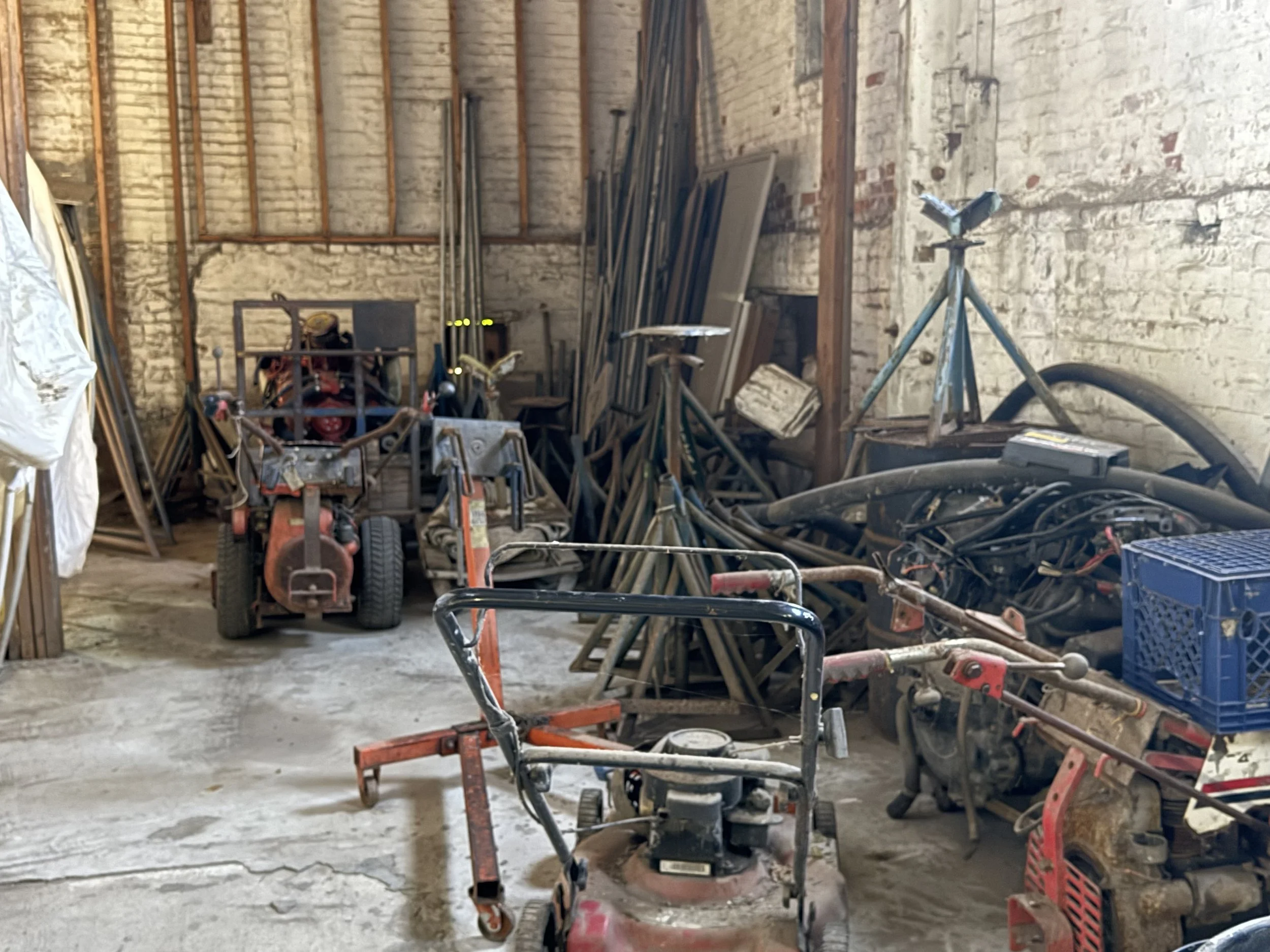
Featured image: Interior of a future Site Seen exhibition space before installation. Photography by Site Seen
Most buildings spend their lives being used.
People arrive every morning. Doors open. Deliveries are made. Conversations happen. Floors wear smooth beneath thousands of footsteps. Walls are painted, repaired, patched, and painted again. Years accumulate quietly through ordinary routines.
Then, one day, everything stops.
The lights go out.
The doors lock.
A handwritten notice appears in the window.
Eventually the signs come down.
From the outside, it seems as though the building has become empty.
But vacancy is rarely empty.
It is a pause.
Between One Story and the Next
Every Site Seen exhibition begins during this uncertain interval.
A building has finished one chapter of its life but has not yet begun another. It waits without knowing what comes next. It may become another business, another institution, another home, or disappear altogether.
These periods are often treated as interruptions, something to move through as quickly as possible.
We see them as opportunities to look more closely.
Without the activity that once defined them, buildings reveal themselves differently. Details that once passed unnoticed become visible. Layers of paint emerge. Natural light changes the atmosphere. Sounds carry farther. Time seems to move more slowly.
The architecture begins speaking in a different voice.
Evidence of Human Presence
One of the first things we notice when entering a vacant building is not what has been removed.
It is what remains.
A repaired crack.
A worn threshold.
A handwritten measurement on a wall.
The outline left behind by shelving.
A forgotten hook.
Tape residue where signs once hung.
These fragments are easy to overlook, yet together they form an archaeology of everyday life.
Site Seen does not erase these traces.
We build around them.
Sometimes the smallest details become the most meaningful.
Listening Before Curating
Every building teaches us how it wants to be approached.
Before artists are selected or artworks installed, we spend time walking through the space without making decisions.
We pay attention to light.
To acoustics.
To circulation.
To what feels unexpectedly intimate and what feels overwhelmingly open.
Rather than asking how an exhibition can occupy the building, we ask how the building might shape the exhibition.
The difference is subtle.
It changes everything.
Temporary Occupation
Our exhibitions are brief by design.
They do not attempt to preserve buildings.
They do not pretend to rescue them.
Instead, they acknowledge that change is inevitable.
For a short time, artists, visitors, and architecture exist together in a shared conversation.
Then everyone moves on.
The building continues toward its next life carrying another layer of experience.
The exhibition becomes part of its history.
Seeing Buildings Differently
Perhaps the greatest transformation does not happen inside the building.
It happens inside the visitor.
After attending a Site Seen exhibition, it becomes difficult to pass another vacant storefront without wondering what it might become.
An empty office no longer feels simply abandoned.
A warehouse begins suggesting possibilities.
Architecture becomes something living rather than fixed.
The exhibition ends, but the way we see the world has shifted.
Waiting Is Also a Form of Becoming
Contemporary culture often celebrates beginnings and endings.
Openings.
Closings.
Groundbreakings.
Ribbon cuttings.
Far less attention is given to what happens between those moments.
Yet it is often within these quieter periods that the most profound transformations begin.
Buildings teach us patience.
They remind us that waiting is not the opposite of change.
Sometimes waiting is the change.
Site Seen exists within those intervals.
Not to interrupt them.
But to listen.
About Inside Site Seen
Inside Site Seen is an ongoing editorial series exploring the ideas, places, artists, and processes behind Site Seen's temporary exhibitions. Together, these essays form an evolving archive of conversations about contemporary art, architecture, memory, and the overlooked buildings that briefly become sites of cultural exchange.
Why We Transform Buildings Instead of Building Galleries
Why does Site Seen transform overlooked buildings instead of building galleries? This opening essay introduces the ideas that shape our temporary exhibitions and the evolving relationship between contemporary art, architecture, memory, and place.
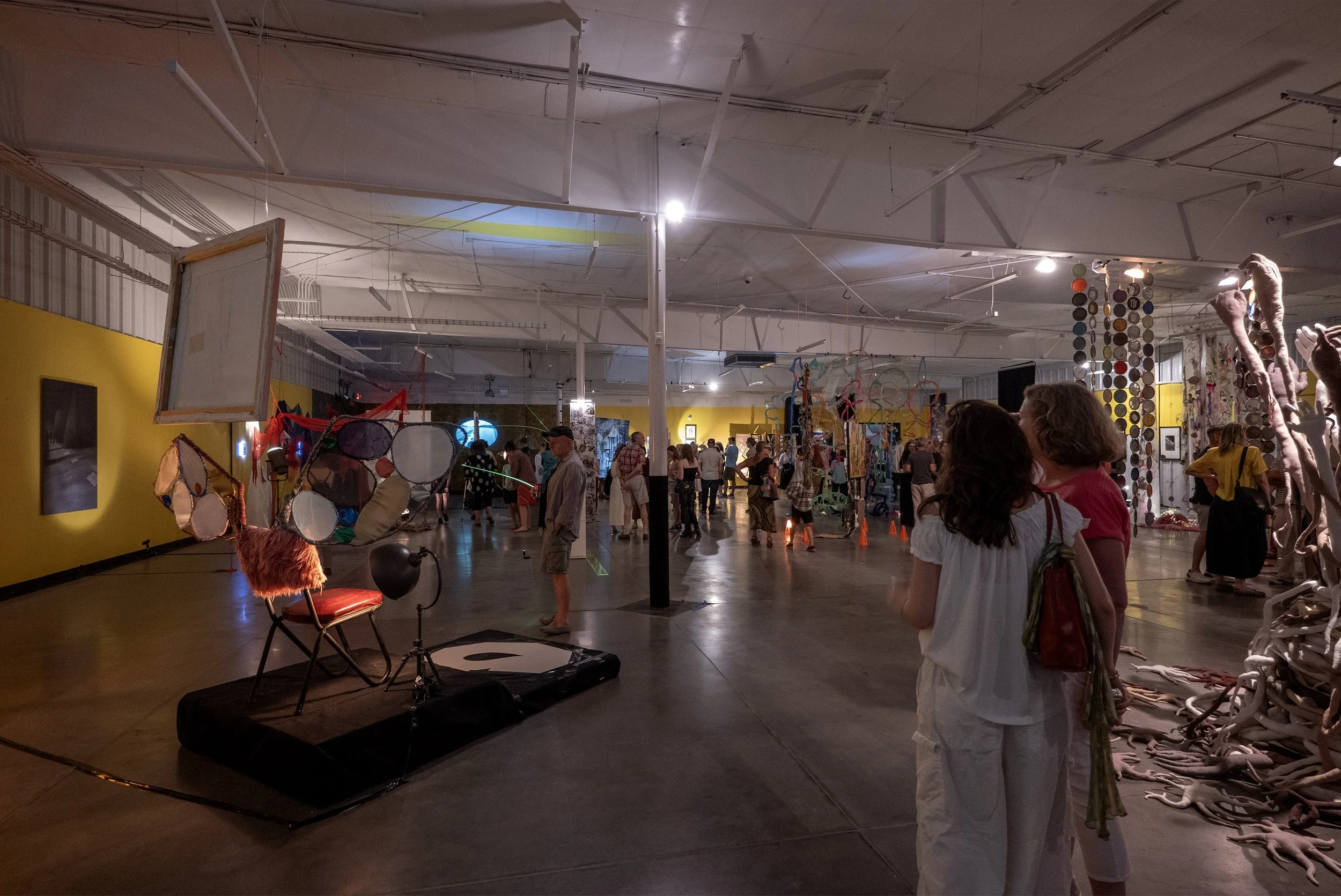
Featured image: Exhibition view, Of Frame and Fallow, Site Seen, 2026. Photography by Fred Hatt
Every building remembers.
Some remember factories. Others remember classrooms, storefronts, churches, offices, or homes. Even after they fall silent, the rhythms of daily life remain embedded within their walls. Businesses close, ownership changes, and buildings wait. Yet something intangible remains.
Site Seen was founded on the belief that these places are not empty. They continue to shape the people who pass through them long after their original purpose has faded. Rather than seeing vacancy as absence, we see possibility.
Instead of constructing new galleries or occupying permanent exhibition spaces, Site Seen activates overlooked and transitional architecture through temporary contemporary art exhibitions. For a brief moment, buildings that might otherwise stand unnoticed become places of encounter, reflection, and discovery before returning once again to silence.
Our exhibitions are intentionally temporary.
Impermanence is not a limitation.
It is the foundation of the work.
Each exhibition exists only once. Every installation responds directly to the architecture, history, and atmosphere of a particular place. The relationship between artwork and building cannot be recreated elsewhere. When the exhibition closes, the work departs, but the building continues its own journey carrying another layer of memory.
Buildings Are Collaborators
Most galleries are designed to disappear behind the artwork. White walls and controlled lighting create neutrality so that attention rests entirely on what has been placed inside them.
Site Seen begins from the opposite premise.
The buildings themselves are active participants.
A former retail store.
A vacant office.
An abandoned warehouse.
A structure between one chapter and the next.
These places arrive with histories already written into them. Scuffed floors, worn thresholds, changing light, forgotten corners, and traces of previous occupants shape the experience of every exhibition. Rather than asking artists to ignore those conditions, Site Seen invites them to respond to them.
The building becomes another voice in the conversation.
Temporary by Design
There is something fundamentally different about entering an exhibition that will soon disappear.
Visitors know the experience cannot be postponed indefinitely.
Artists understand that their work will exist in dialogue with a particular building only briefly.
Curators make decisions knowing they will never again arrange these works within this exact space.
That awareness changes the experience for everyone involved.
Temporary exhibitions encourage a heightened form of attention. They remind us that places, like people, continue to change, and that some of the most meaningful encounters happen precisely because they cannot be repeated.
When the exhibition ends, the building returns to its uncertain future. What remains are memories, conversations, and the subtle shift in how a place is understood.
Every Space Asks Different Questions
No two Site Seen exhibitions begin with the same architecture.
One building may still carry traces of commercial life. Another may reveal decades of industrial history. A third may stand vacant long enough for silence itself to become part of the experience.
Rather than imposing a predetermined exhibition model, Site Seen allows each space to shape its own conversation.
How does scale influence intimacy?
What histories remain visible?
How does contemporary art alter the emotional atmosphere of a familiar place?
What becomes possible when artists respond directly to architecture instead of simply occupying it?
Every exhibition begins by listening before it speaks.
Artists Respond to Place
The artists who participate in Site Seen bring diverse practices, materials, and perspectives, yet they share a willingness to engage with place itself.
Some create work that echoes the architecture.
Others introduce unexpected materials that transform the emotional character of a room.
Some investigate memory.
Others explore labor, landscape, migration, preservation, resilience, or community.
Together, the works create relationships that could not exist within a conventional gallery. The exhibition becomes less about individual objects than about the dialogue unfolding between artists, visitors, and the building itself.
Each exhibition is assembled specifically for its site, allowing the architecture and the artwork to inform one another in ways that neither could achieve alone.
An Archive of Temporary Things
When an exhibition closes, the artwork leaves.
The lights come down.
The doors lock.
Eventually the building continues toward whatever comes next.
Yet the experience does not disappear completely.
Photographs remain.
Conversations continue.
Artists carry the experience into future work.
Visitors remember discovering contemporary art in places they never expected to enter.
The buildings themselves have changed, if only briefly, through the act of being seen differently.
This Archive exists to preserve those moments.
Not as replacements for experiencing the exhibitions in person, but as a growing record of artists, buildings, and ideas that briefly occupied the same space before continuing on their separate paths.
Because temporary does not mean insignificant.
Sometimes what lasts the shortest leaves the deepest impression.
About Inside Site Seen
Inside Site Seen is an ongoing editorial series exploring the ideas, places, artists, and processes behind Site Seen's temporary exhibitions. Together, these essays form an evolving archive of conversations about contemporary art, architecture, memory, and the overlooked buildings that briefly become sites of cultural exchange.