

Field Guides
Seeing Places More Closely
Every building tells a story long before art arrives.
Site Seen's Field Guides explore the ideas that shape our exhibitions, from site-specific art and adaptive reuse to temporary exhibitions, material memory, and the evolving relationship between architecture and contemporary art. Grounded in observation and experience, these essays invite artists, curators, property owners, and curious visitors to see overlooked places differently.
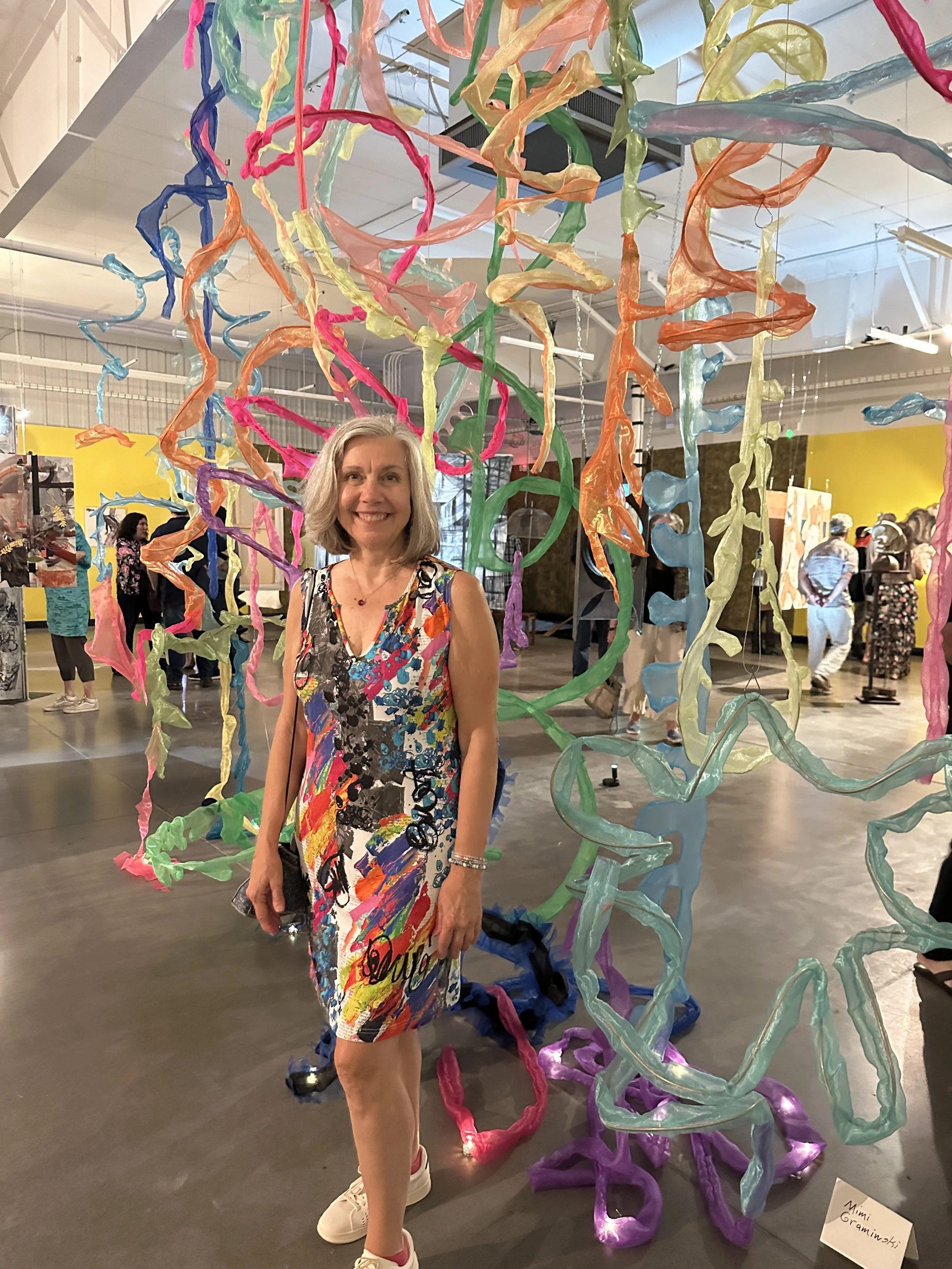
Artist Mimi Graminski with her site-specific installation during Site Seen's Of Frame and Fallow exhibition, presented inside a former Dollar General in Esopus, New York (2026). Photograph by Natalya Khorover.
Start Exploring
What Is Site-Specific Art?
Architecture is never just a backdrop. Discover how artists create work that responds directly to place, history, memory, and the unique character of a specific site.
What Is Adaptive Reuse?
Adaptive reuse gives existing buildings new life without erasing their past. Explore how architecture, memory, and contemporary art intersect to transform overlooked places into spaces of renewed possibility.
Installation Art vs. Sculpture
Sculpture asks us to look at an object. Installation art asks us to enter an experience. Discover how artists use architecture, light, sound, and movement to shape the spaces we inhabit.
Why Do Artists Transform Vacant Buildings?
Why would artists choose a former store, office, or warehouse instead of a traditional gallery? Explore how buildings in transition become places for creativity, public engagement, and renewed possibility.
Why Context Changes the Meaning of Art
Architecture, history, memory, and place quietly shape every encounter with contemporary art. Discover why context is never simply a backdrop, but an essential part of the experience.
Buildings Between Lives: Why Transitional Spaces Matter
Buildings are not empty. They are in transition. Explore the overlooked interval between one life and the next, and discover why these moments have become central to Site Seen's curatorial practice.
What Is Curating? A Guide to Contemporary Curatorial Practice
Discover what curators do, how exhibitions are developed, and why contemporary curatorial practice increasingly extends beyond museums and galleries into public, historic, and transitional spaces.
What Is Exhibition Design? How Space Shapes the Experience of Art
Learn how exhibition design uses architecture, lighting, movement, and spatial planning to shape the way visitors experience contemporary art.
How Temporary Exhibitions Are Curated
Every temporary exhibition begins long before opening day. Discover how buildings, artists, architecture, and curatorial decisions come together to transform places in transition into meaningful experiences for artists and visitors alike.