

What Is Exhibition Design? How Space Shapes the Experience of Art
A Site Seen Field Guide
Most people think an exhibition is made by the artwork.
In reality, every exhibition is also shaped by the space around it.
The distance between artworks.
The height of a ceiling.
The direction visitors move.
Natural light entering through a window.
A narrow corridor.
A quiet room.
An unexpected view.
These decisions form what is known as exhibition design.
Good exhibition design doesn't compete with the artwork.
It helps people experience it more fully.
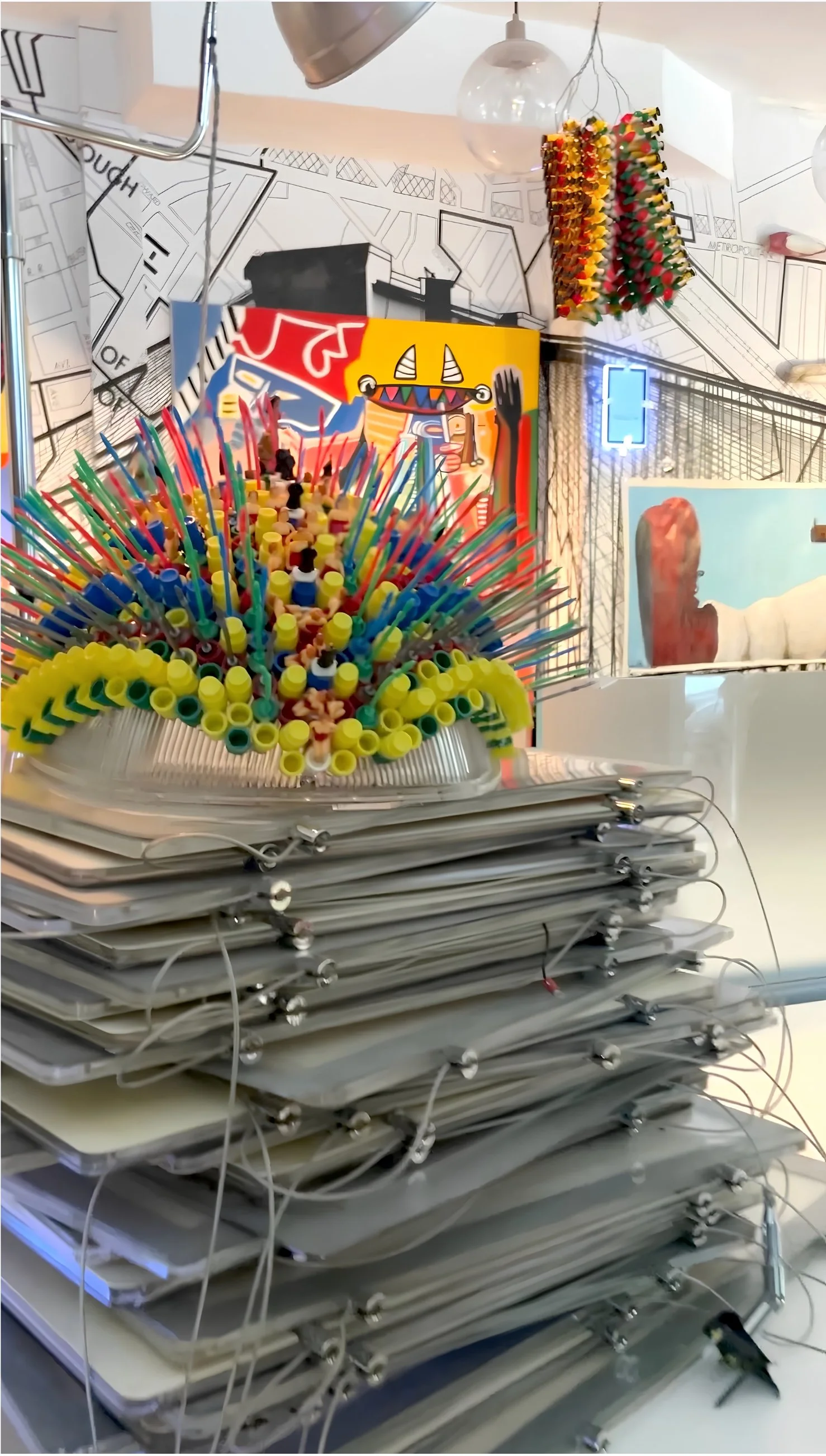
Installation view from Of Grit and Grid, Site Seen's 2026 exhibition in Brooklyn, New York. Thoughtful exhibition design transforms individual artworks into a shared visual conversation. Photograph by Site Seen
What Is Exhibition Design?
Exhibition design is the planning and organization of physical space to support an exhibition's ideas, artworks, and visitors.
It combines architecture, interior design, graphic design, lighting, interpretation, accessibility, and visitor circulation into a single experience.
Whether in a museum, gallery, public space, or temporary exhibition, exhibition design influences how people move, what they notice, and how they remember what they've seen.
More Than Hanging Artwork
Designing an exhibition involves countless decisions:
Where visitors begin.
What they encounter first.
How artworks relate to one another.
How much space each work needs.
Lighting and sightlines.
Seating and moments of rest.
Labels and interpretation.
Accessibility.
Sound.
Flow through the building.
Each decision changes the experience.
Architecture Is Part of the Design
Some exhibitions are installed inside purpose-built galleries.
Others take place in historic buildings, storefronts, warehouses, schools, churches, or industrial spaces.
In these settings, architecture becomes one of the exhibition's primary design elements.
Columns interrupt views.
Brick reflects light differently than drywall.
Old timber changes acoustics.
Windows connect visitors to the surrounding neighborhood.
Rather than hiding these qualities, exhibition designers often work with them.
Exhibition Design at Site Seen
Every Site Seen exhibition begins by studying the building itself.
Instead of forcing a predetermined layout into the space, we allow architecture to influence how visitors move, where artworks are placed, and how individual installations relate to one another.
No two exhibitions follow the same plan because no two buildings tell the same story.
The result is an experience that could only happen in that particular place.
Why Exhibition Design Matters
People rarely remember an exhibition because of a floor plan.
They remember how it felt.
They remember discovering a sculpture around a corner.
Standing beneath a soaring roof.
Walking through changing light.
Hearing footsteps echo across an empty building.
Feeling that a particular artwork belonged exactly where they encountered it.
That experience doesn't happen by accident.
It's the result of thoughtful exhibition design.
Related Reading
What Is Curating?
When Architecture Becomes a Curator
What Is Site-Specific Art?
What Is Adaptive Reuse?
How an Empty Building Becomes an Exhibition